
Day 1: Nov 10, Tue: Trieste, Italy
Located in northeastern Italy, Trieste’s geographic location and storied past contributed to its modern standing as one of the country’s richest regions.
Day 2: Nov 11, Wed: Split, Croatia
Split is the largest Croatian city on the Adriatic coast. Split achieved fame when the Roman emperor Diocletian, noted for his persecution of early Christians, had his retirement palace built here.
Day 3: Nov 12, Thu: Dubrovnik, Croatia
Known as the “Pearl of the Adriatic,” Dubrovnik was founded in the 7th century by a group of refugees from Epidaurum (today’s Cavtat). It is known worldwide for its unique marble-paved squares, tall houses, steep-cobbled streets and fountains.
Day 4: Nov 13, Fri: Kotor, Montenegro
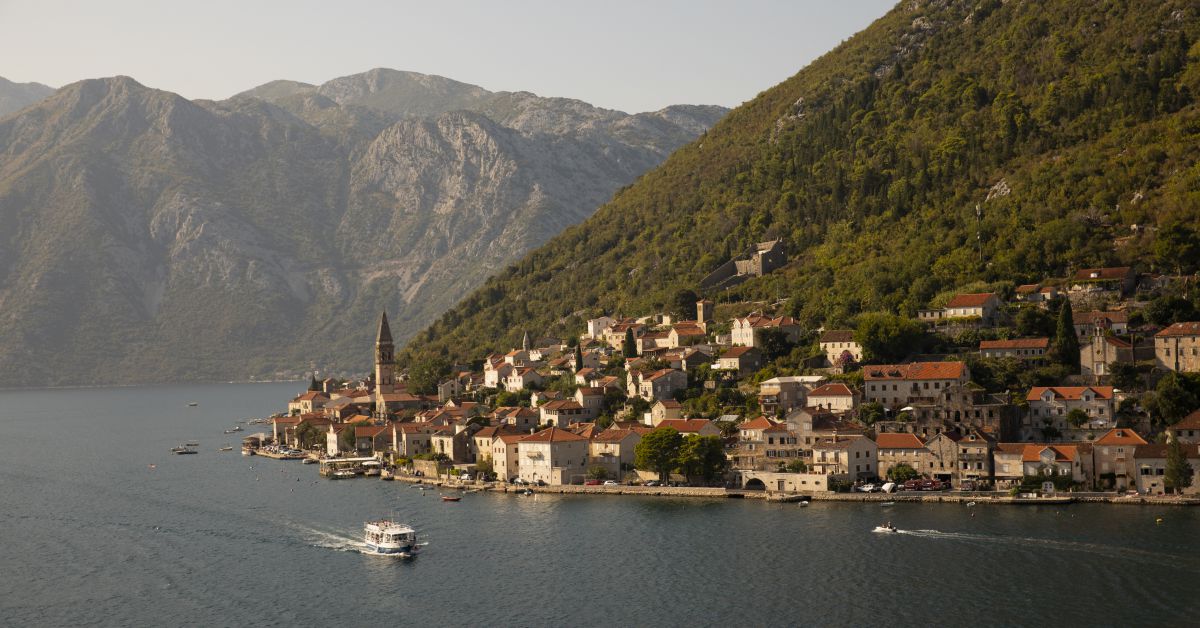
Kotor is a coastal town in Montenegro, located in a most secluded part of the Gulf of Kotor. The old port, surrounded by an impressive city wall built by the House of Nemanjicc, is very well preserved and is a UNESCO World Heritage site.
Day 5: Nov 14, Sat: Cruising the Ionian Sea
Day 6: Nov 15, Sun: Katakolon, Greece
Step back in time at Ancient Olympia, the birthplace of the Olympic Games – now deemed a UNESCO World Heritage Site.
Day 7: Nov 16, Mon: Mykonos, Greece
Steeped in Greek mythological history, Mykonos was named after Apollo’s grandson, Mykons, and was the location of the grand battle between Zeus and the Gigantes.
Day 8: Nov 17, Tue: Athens (Piraeus), Greece
Piraeus is the gateway to the ancient city of Athens, known as the “Cradle of Western Civilization” because of its immense impact on cultural and political achievements throughout the world.